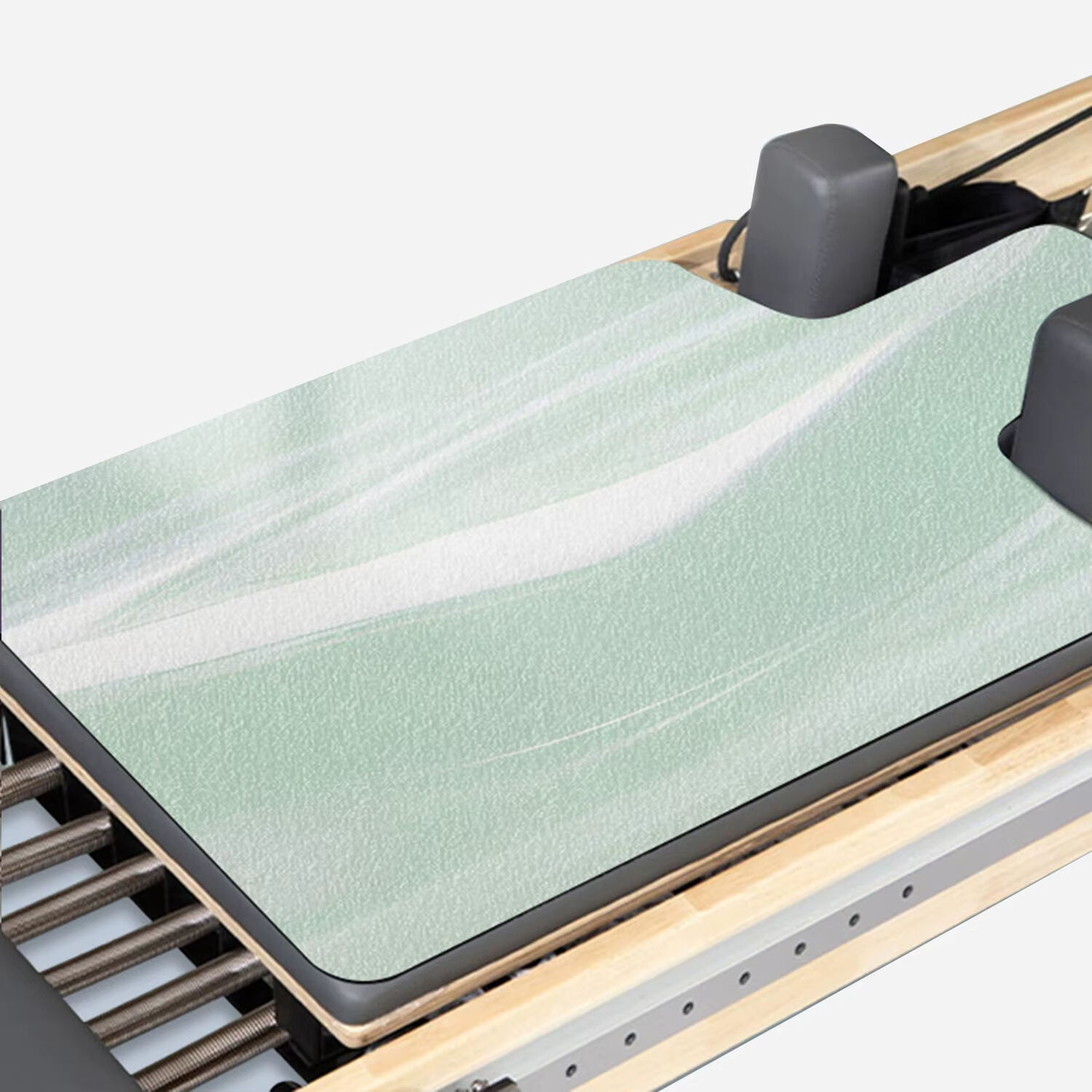
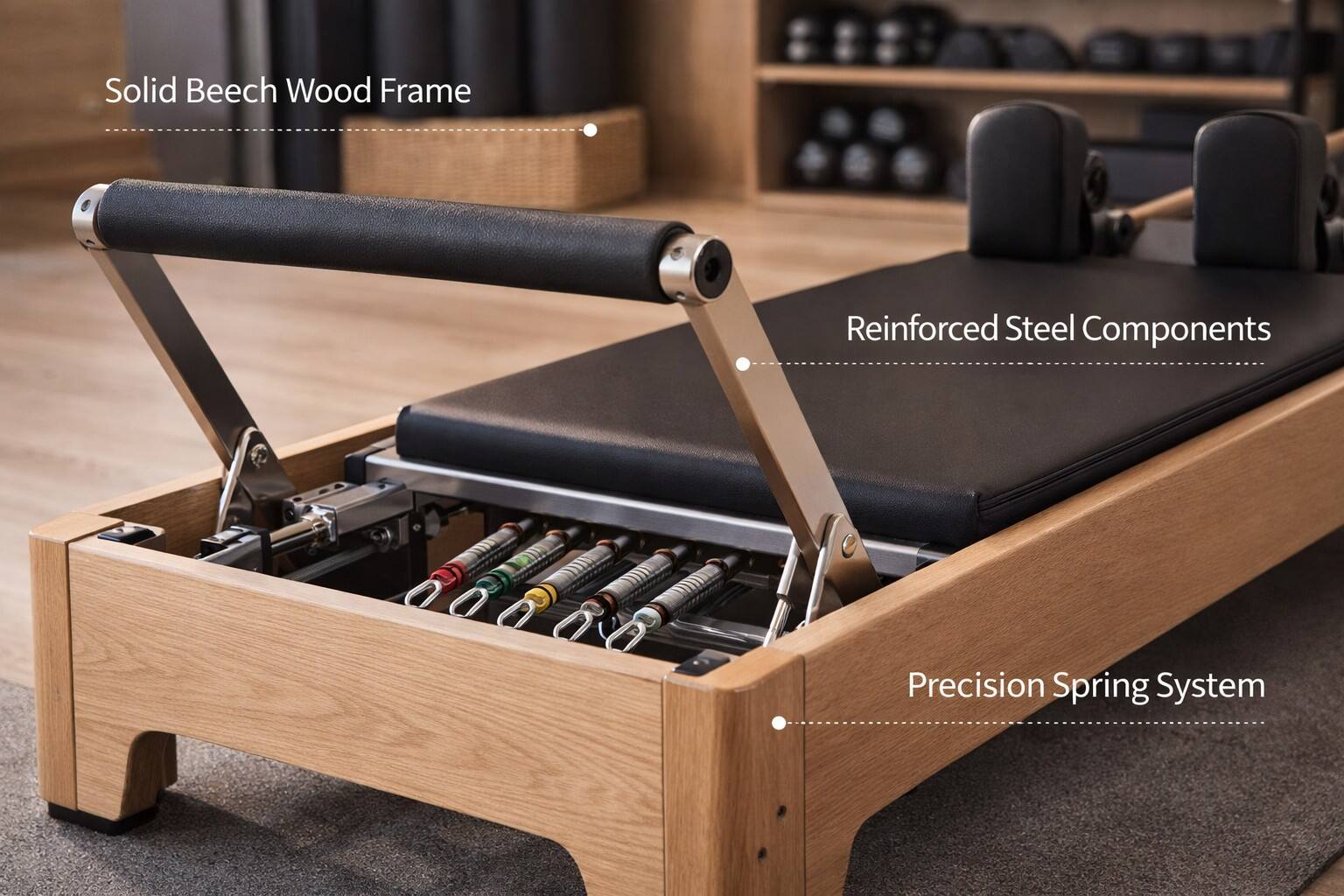
Natural Yoga Mat: Eco-Friendly, Non-Toxic Mats for Superior Grip and Sustainable Practice

Contact Our Team

Our representative will contact you soon.
Email
Mobile/WhatsApp
Required Product
Name
Company Name
Message
0/1000

natural yoga mat

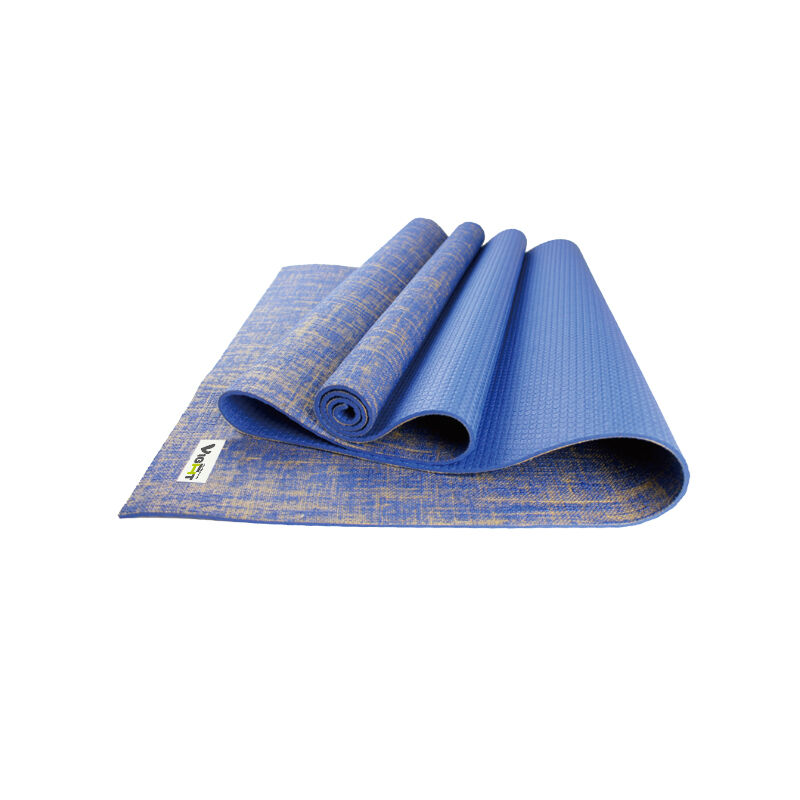
A natural yoga mat represents the perfect fusion of environmental consciousness and functional design for modern yoga practitioners. This essential piece of equipment is crafted from sustainable, biodegradable materials such as natural rubber, organic cotton, jute, or cork, providing practitioners with a safe and eco-friendly surface for their daily practice. Unlike synthetic alternatives that rely on petroleum-based materials and chemical additives, a natural yoga mat prioritizes both human health and planetary wellbeing. The primary function of a natural yoga mat extends beyond simply providing cushioning during exercise. It delivers superior grip and traction through naturally textured surfaces that improve with use, ensuring stability during challenging poses and transitions. These mats incorporate advanced material technology that balances firmness with cushioning, protecting joints while maintaining the ground connection essential for proper alignment. The typical thickness ranges from three to six millimeters, offering optimal support without compromising balance. Technological features include antimicrobial properties inherent in materials like cork and natural rubber, which resist bacteria and odor without requiring chemical treatments. Many natural yoga mats feature closed-cell construction that prevents moisture absorption, maintaining hygiene standards while extending product lifespan. The textured surfaces are engineered to provide enhanced grip when moisture is present, turning perspiration into an advantage rather than a hindrance. Applications for a natural yoga mat span various practice styles, from gentle restorative sessions to intense power yoga classes. These mats perform exceptionally well in heated studio environments where temperature and humidity levels challenge conventional products. Beyond traditional yoga studios, practitioners use natural yoga mats for home practice, outdoor sessions, meditation, Pilates, and general fitness routines. The versatility of these mats makes them suitable for beginners establishing their practice foundation and advanced practitioners seeking premium performance. Environmental applications include reducing plastic waste in landfills and supporting sustainable harvesting practices that benefit ecosystems and communities.

New Product Recommendations

Choosing a natural yoga mat delivers immediate practical benefits that enhance your practice experience while supporting long-term health and environmental goals. The most noticeable advantage comes from superior grip performance that actually improves as you practice. Natural materials like rubber and cork develop enhanced traction when they encounter moisture, meaning your hands and feet stay firmly planted even during the most challenging sequences. This translates to greater confidence in your practice, allowing you to focus on alignment and breath rather than worrying about slipping. You can hold poses longer and transition more smoothly between movements, accelerating your progress and deepening your practice quality. Health benefits distinguish natural yoga mats from synthetic alternatives in significant ways. These mats release no harmful volatile organic compounds into the air you breathe during practice. When you place your face near the mat during poses or take deep breaths in child's pose, you inhale only natural scents rather than chemical odors. This becomes particularly important for practitioners with sensitivities, allergies, or respiratory concerns. The antimicrobial properties built into materials like cork and natural rubber mean your mat naturally resists bacteria, mold, and mildew without requiring harsh chemical treatments. You spend less time worrying about hygiene and more time enjoying your practice. Durability represents another practical advantage that impacts your wallet and reduces waste. A quality natural yoga mat withstands years of regular use without breaking down, peeling, or losing its grip properties. The materials actually improve with age, developing better traction and a personalized feel that synthetic mats cannot replicate. This longevity means you avoid the frustration and expense of replacing worn-out mats every few months. You make one thoughtful investment that serves you reliably throughout your yoga journey. Comfort during practice receives a substantial upgrade with natural materials that provide ideal cushioning density. These mats protect your joints during kneeling poses and seated positions while maintaining the firmness needed for standing balance work. The natural give in materials like rubber absorbs impact without creating an unstable surface that compromises your alignment. Your knees, wrists, and spine receive appropriate support that reduces discomfort and prevents injury. Temperature regulation becomes effortless with natural materials that adapt to environmental conditions. Unlike synthetic mats that become slippery when warm or rigid when cold, natural yoga mats maintain consistent performance across temperature ranges. Cork surfaces naturally cool in heat and provide warmth in cooler conditions, creating comfort regardless of season or studio climate. Maintenance simplicity saves you time and effort in mat care routines. Natural materials require only basic cleaning with gentle soap and water, avoiding the need for specialized products or complicated procedures. The surfaces dry quickly and resist retaining odors, keeping your mat fresh between uses. Environmental responsibility becomes an effortless part of your practice when you choose natural materials. You support sustainable harvesting practices, reduce petroleum dependence, and ensure your mat biodegrades naturally at the end of its useful life rather than persisting in landfills for centuries.

Tips And Tricks

Top Pilates Equipment for Modern Fitness Studios: A Complete B2B Buying Guide

14

Apr

Top Pilates Equipment for Modern Fitness Studios: A Complete B2B Buying Guide

View More
Yoga and Pilates Equipment: Performance, Features & Advantages for B2B Buyers

30

Mar

Yoga and Pilates Equipment: Performance, Features & Advantages for B2B Buyers

View More
How to Choose Yoga Mats for Wholesale: A Complete Guide for Profitable Business Growth

28

Apr

How to Choose Yoga Mats for Wholesale: A Complete Guide for Profitable Business Growth

View More

Contact Our Team

Our representative will contact you soon.
Email
Mobile/WhatsApp
Required Product
Name
Company Name
Message
0/1000

natural yoga mat

Exceptional Grip Technology Through Natural Material Properties

Exceptional Grip Technology Through Natural Material Properties

The grip performance of a natural yoga mat stands as its most transformative feature, fundamentally changing how practitioners experience stability and confidence during their practice. This superior traction stems from the inherent molecular structure of materials like natural rubber and cork, which create friction through texture rather than relying on chemical coatings that deteriorate over time. When you place your hands or feet on a natural yoga mat, microscopic variations in the surface engage with your skin, creating thousands of contact points that work together to prevent slipping. This effect intensifies when moisture enters the equation, as natural materials actually become grippier when wet. During vigorous practices where perspiration is inevitable, synthetic mats often become dangerously slippery, forcing practitioners to constantly readjust their positioning and breaking the flow of movement. A natural yoga mat transforms this challenge into an advantage, with materials like cork developing enhanced traction as moisture increases. The cellular structure of cork contains a substance called suberin, which provides natural grip that improves under humid conditions. Natural rubber similarly features elastic properties that create suction-like adhesion when compressed, meaning the more you press into the mat during poses, the more stable your foundation becomes. This grip technology operates bidirectionally, preventing the mat itself from sliding across floor surfaces while simultaneously securing your body positioning. Practitioners notice immediate improvements in their ability to hold challenging poses like downward-facing dog, plank variations, and standing balance sequences. The confidence gained from reliable traction allows you to push your practice boundaries, attempting more advanced poses and transitions without fear of injury from unexpected slipping. This psychological benefit proves as valuable as the physical security, removing a major distraction that prevents many practitioners from achieving the meditative flow state that represents yoga's deeper purpose. The longevity of grip performance in a natural yoga mat surpasses synthetic alternatives by substantial margins. Chemical grip coatings applied to conventional mats wear away with regular use and cleaning, requiring replacement within months. Natural materials maintain their traction properties throughout the mat's entire lifespan, actually improving as the surface breaks in and conforms to your individual practice patterns. This means your natural yoga mat becomes more valuable over time rather than degrading, developing a personalized texture that supports your specific needs. The investment in superior grip technology pays dividends in reduced injury risk, enhanced practice quality, and elimination of the frustration that comes from fighting against inadequate equipment.
Complete Health Safety with Zero Toxic Chemical Exposure

Complete Health Safety with Zero Toxic Chemical Exposure

Health consciousness motivates many practitioners to begin yoga, making the choice of a natural yoga mat a logical extension of wellness commitment. The complete absence of toxic chemicals in these mats protects your health in ways that extend far beyond the obvious benefits of avoiding harmful substances. Conventional yoga mats frequently contain polyvinyl chloride, phthalates, and other petroleum-derived materials that release volatile organic compounds into the air, particularly when new or exposed to heat. These chemicals enter your body through inhalation during the deep breathing that forms the foundation of yoga practice, and through skin absorption during the extended contact that occurs throughout sessions. A natural yoga mat eliminates this exposure entirely, using only materials harvested from renewable sources without chemical processing. Natural rubber comes directly from rubber trees through a tapping process that requires no synthetic additives. Cork is harvested from cork oak bark that regenerates naturally, processed only through heat and pressure. Jute and organic cotton grow without pesticides and undergo minimal processing to reach final mat form. This purity means when you practice on a natural yoga mat, you breathe only clean air and contact only materials that pose no health risks. The importance of this becomes particularly evident in heated yoga environments where elevated temperatures can accelerate chemical off-gassing from synthetic materials. Studios practicing hot yoga styles expose students to concentrated chemical vapors when using conventional mats, creating an ironic situation where people seeking health benefits actually expose themselves to toxins. A natural yoga mat maintains its material integrity across all temperature ranges, releasing no harmful substances regardless of environmental conditions. The antimicrobial properties inherent in natural materials provide an additional health dimension that synthetic mats cannot match. Cork contains a natural substance that resists bacterial growth, mold, and mildew without requiring any chemical treatments. This means your mat stays hygienically clean through simple washing routines, never becoming a breeding ground for pathogens that could cause skin infections or respiratory issues. Natural rubber similarly resists microbial colonization, maintaining freshness even with intensive use. For practitioners with chemical sensitivities, allergies, or conditions like asthma, a natural yoga mat becomes not just preferable but essential equipment. The hypoallergenic properties of natural materials mean even the most sensitive individuals can practice comfortably without triggering reactions. Parents choosing mats for children benefit from knowing that young, developing bodies face zero toxic exposure during practice. Pregnant practitioners gain peace of mind from avoiding chemicals that could impact fetal development. The long-term health implications of this chemical-free approach accumulate significantly over years of regular practice, representing a crucial investment in wellness that aligns perfectly with yoga's holistic health philosophy.
Environmental Sustainability Creating Positive Global Impact

Environmental Sustainability Creating Positive Global Impact

The environmental advantages of a natural yoga mat extend far beyond simple biodegradability, encompassing a complete lifecycle of sustainability that allows practitioners to align their equipment choices with their values. This alignment holds particular importance in yoga communities where environmental consciousness and mindful consumption represent core principles. Every natural yoga mat begins with renewable resource harvesting that actually benefits ecosystems rather than depleting them. Rubber trees are tapped for latex without requiring tree removal, allowing the same trees to produce material for decades while continuing to sequester carbon and provide habitat. Cork harvesting involves carefully removing bark from cork oak trees in a process that stimulates tree health and growth, with bark regenerating completely within nine years. These trees live for two centuries or more, creating sustainable production systems that span generations. Jute cultivation improves soil quality while growing rapidly without pesticides, and organic cotton farming protects waterways and biodiversity while supporting farmer health. This means your natural yoga mat represents the culmination of agricultural and harvesting practices that restore rather than extract, heal rather than harm. The manufacturing process for natural yoga mats requires significantly less energy than synthetic mat production, which involves petroleum refinement, chemical processing, and high-temperature molding. Natural materials undergo minimal processing, typically involving only cutting, compression, and assembly using water-based adhesives. This reduced energy input translates to lower carbon emissions throughout the production chain, meaning your mat choice directly impacts climate change mitigation efforts. Transportation footprints shrink when natural materials are sourced regionally, with many natural yoga mats manufactured closer to their end markets than synthetic alternatives produced in distant industrial facilities. During the use phase, natural yoga mats continue delivering environmental benefits through their exceptional durability. A single natural yoga mat replaces multiple synthetic mats over equivalent timeframes, dramatically reducing the manufacturing impact, packaging waste, and transportation emissions associated with frequent replacements. This longevity means fewer resources consumed and less waste generated throughout your practice journey. The materials maintain their integrity without shedding microplastics that pollute environments and enter food chains, a growing concern with synthetic mats that slowly break down during use. At end of life, a natural yoga mat biodegrades completely and safely, returning to the earth as organic matter that enriches rather than contaminates soil. Synthetic mats persist in landfills for centuries, never fully breaking down and potentially leaching harmful chemicals into groundwater. The composability of natural materials means you can dispose of your mat with complete peace of mind, knowing it creates no lasting environmental burden. Some natural yoga mats even incorporate recycled or upcycled materials, further closing resource loops and demonstrating circular economy principles. For practitioners who view yoga as a spiritual practice connecting them to nature and all living beings, choosing a natural yoga mat becomes a tangible expression of those values, creating consistency between philosophy and action that deepens practice meaning and personal integrity.

Contact Our Team

Our representative will contact you soon.
Email
Mobile/WhatsApp
Required Product
Name
Company Name
Message
0/1000