Environmental Sustainability Creating Positive Global Impact
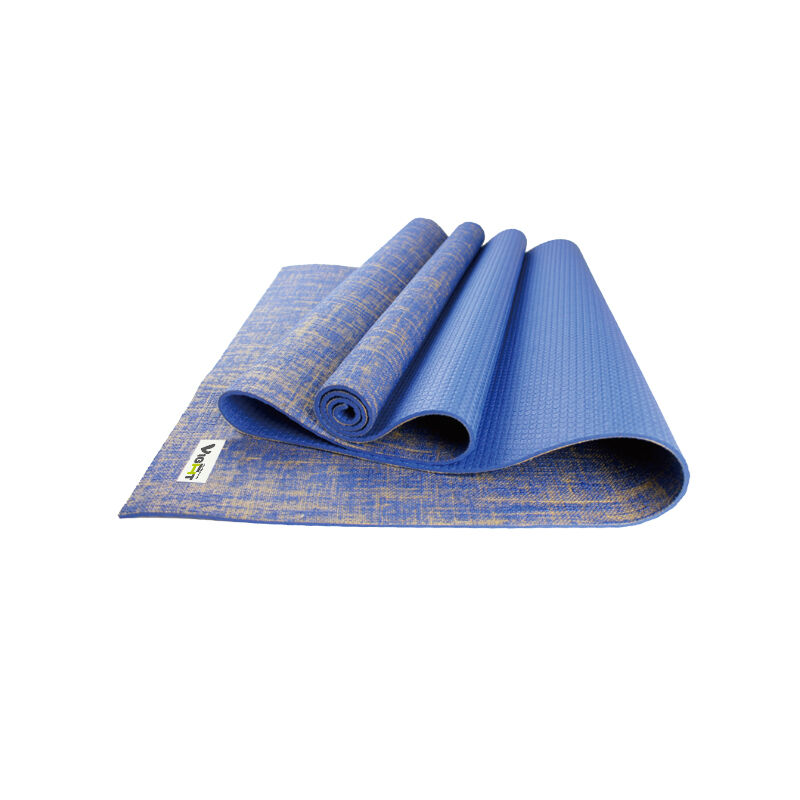
The environmental advantages of a natural yoga mat extend far beyond simple biodegradability, encompassing a complete lifecycle of sustainability that allows practitioners to align their equipment choices with their values. This alignment holds particular importance in yoga communities where environmental consciousness and mindful consumption represent core principles. Every natural yoga mat begins with renewable resource harvesting that actually benefits ecosystems rather than depleting them. Rubber trees are tapped for latex without requiring tree removal, allowing the same trees to produce material for decades while continuing to sequester carbon and provide habitat. Cork harvesting involves carefully removing bark from cork oak trees in a process that stimulates tree health and growth, with bark regenerating completely within nine years. These trees live for two centuries or more, creating sustainable production systems that span generations. Jute cultivation improves soil quality while growing rapidly without pesticides, and organic cotton farming protects waterways and biodiversity while supporting farmer health. This means your natural yoga mat represents the culmination of agricultural and harvesting practices that restore rather than extract, heal rather than harm. The manufacturing process for natural yoga mats requires significantly less energy than synthetic mat production, which involves petroleum refinement, chemical processing, and high-temperature molding. Natural materials undergo minimal processing, typically involving only cutting, compression, and assembly using water-based adhesives. This reduced energy input translates to lower carbon emissions throughout the production chain, meaning your mat choice directly impacts climate change mitigation efforts. Transportation footprints shrink when natural materials are sourced regionally, with many natural yoga mats manufactured closer to their end markets than synthetic alternatives produced in distant industrial facilities. During the use phase, natural yoga mats continue delivering environmental benefits through their exceptional durability. A single natural yoga mat replaces multiple synthetic mats over equivalent timeframes, dramatically reducing the manufacturing impact, packaging waste, and transportation emissions associated with frequent replacements. This longevity means fewer resources consumed and less waste generated throughout your practice journey. The materials maintain their integrity without shedding microplastics that pollute environments and enter food chains, a growing concern with synthetic mats that slowly break down during use. At end of life, a natural yoga mat biodegrades completely and safely, returning to the earth as organic matter that enriches rather than contaminates soil. Synthetic mats persist in landfills for centuries, never fully breaking down and potentially leaching harmful chemicals into groundwater. The composability of natural materials means you can dispose of your mat with complete peace of mind, knowing it creates no lasting environmental burden. Some natural yoga mats even incorporate recycled or upcycled materials, further closing resource loops and demonstrating circular economy principles. For practitioners who view yoga as a spiritual practice connecting them to nature and all living beings, choosing a natural yoga mat becomes a tangible expression of those values, creating consistency between philosophy and action that deepens practice meaning and personal integrity.




 EN
EN