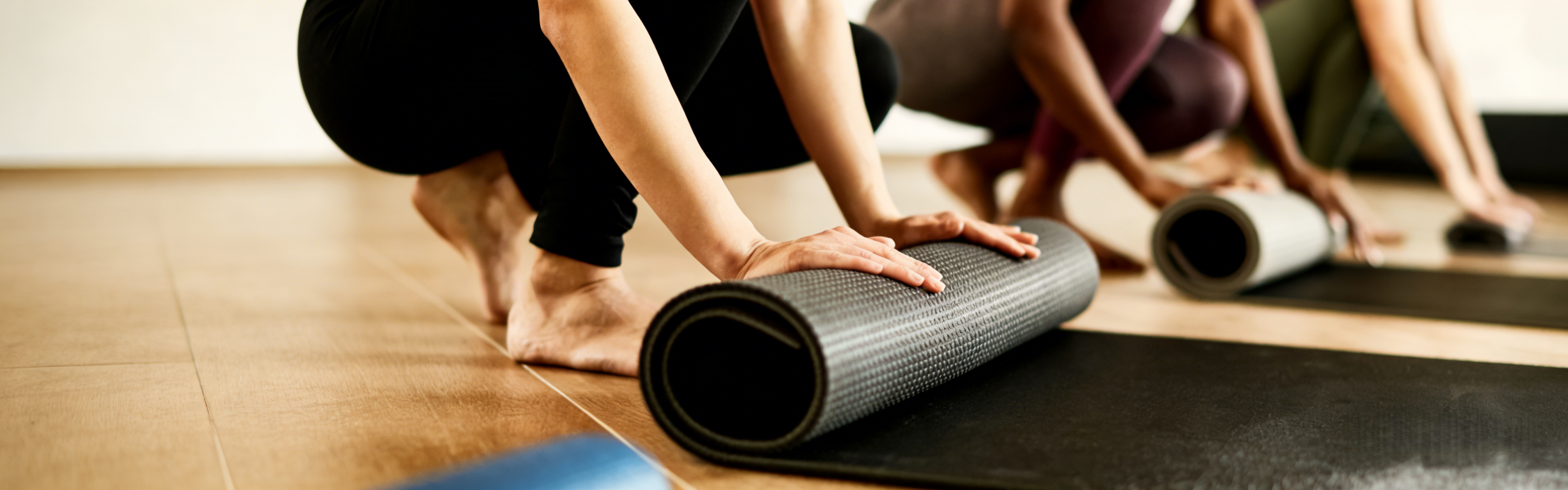
With the rapid growth of the global home fitness industry, demand for home Pilates equipment is increasing significantly as more consumers invest in personalized workout spaces that offer convenience, flexibility, and long-term value. Pilates, known for improving core strength, posture, and flexibility, has become one of the most popular training methods worldwide.
As a result, building a home Pilates studio is no longer just a consumer trend—it is also a growing business opportunity for wholesalers, fitness brands, and distributors. For B2B buyers, understanding how to design and supply a complete home Pilates studio solution is essential for capturing market demand, improving product positioning, and driving long-term business growth.
Understanding the Growing Home Pilates Market
The demand for home Pilates equipment continues to rise, particularly in key markets such as North America and Europe. Consumers are increasingly looking for compact yet professional-grade solutions that can replicate studio-level training experiences at home.
This growing demand creates valuable opportunities for different types of B2B buyers:
To succeed in this competitive market, businesses must focus on delivering high-quality, space-efficient, and user-friendly products that align with modern consumer expectations.
Choosing the Right Space for a Home Pilates Studio
Creating a functional home Pilates studio does not require a large area, but it does require thoughtful planning. In most cases, a space of approximately 10–20 square meters is sufficient to accommodate essential equipment and movement.
Key factors to consider include:
For B2B buyers, offering space-saving and easy-to-install Pilates equipment can significantly enhance product appeal, especially for urban consumers with limited space.
Essential Equipment for a Complete Home Pilates Studio
1. Pilates Reformer – The Core of the Studio
The Pilates reformer is the centerpiece of any professional home Pilates studio. It enables full-body workouts through adjustable resistance and controlled movement, making it suitable for users at different fitness levels.
High-quality reformers should include:
For B2B buyers, the Pilates reformer represents a high-value product with strong demand and higher profit margins, making it a key category in any product lineup.
2. Pilates Accessories – Enhancing Training Versatility
In addition to large equipment, Pilates accessories play a crucial role in expanding workout possibilities and improving user experience.
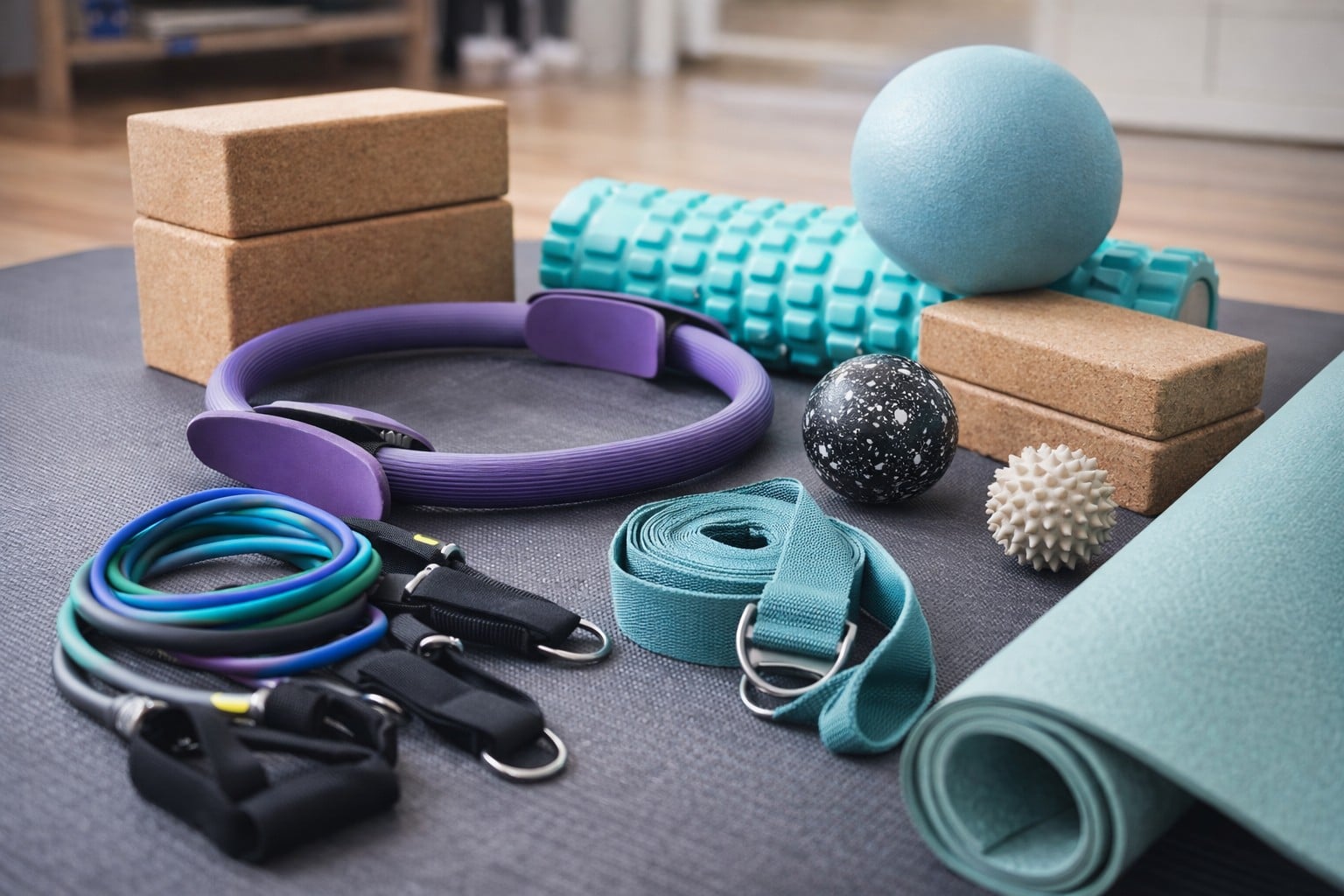
Common accessories include:
These products are lightweight, cost-effective, and highly suitable for e-commerce distribution. For wholesalers and online sellers, Pilates accessories offer excellent opportunities for bundling and upselling.
3. Yoga Accessories & Mobility Equipment
Modern home Pilates studio setups often integrate yoga accessories to improve flexibility, recovery, and overall training efficiency. Products such as yoga blocks, straps, and mats complement Pilates routines and enhance user safety.
By combining Pilates equipment with yoga-related products, businesses can offer more comprehensive fitness solutions. This not only increases average order value but also strengthens brand positioning as a one-stop supplier.
Optimizing Layout and User Experience
A well-designed layout is essential for maximizing the functionality of a home Pilates studio. Typically, the Pilates reformer should be placed centrally, with surrounding space allocated for stretching and accessory use.
From a B2B perspective, providing customers with complete solutions—including layout suggestions, bundled equipment packages, and usage guidance—can significantly improve conversion rates and customer satisfaction.
Offering ready-to-sell packages is also an effective strategy for increasing order value while simplifying purchasing decisions for end users.
Why Product Quality and Supplier Selection Matter
IIn the competitive home fitness market, product quality directly influences customer reviews, brand reputation, and repeat purchases. Low-quality Pilates equipment can result in high return rates and negative feedback, especially in online sales channels.
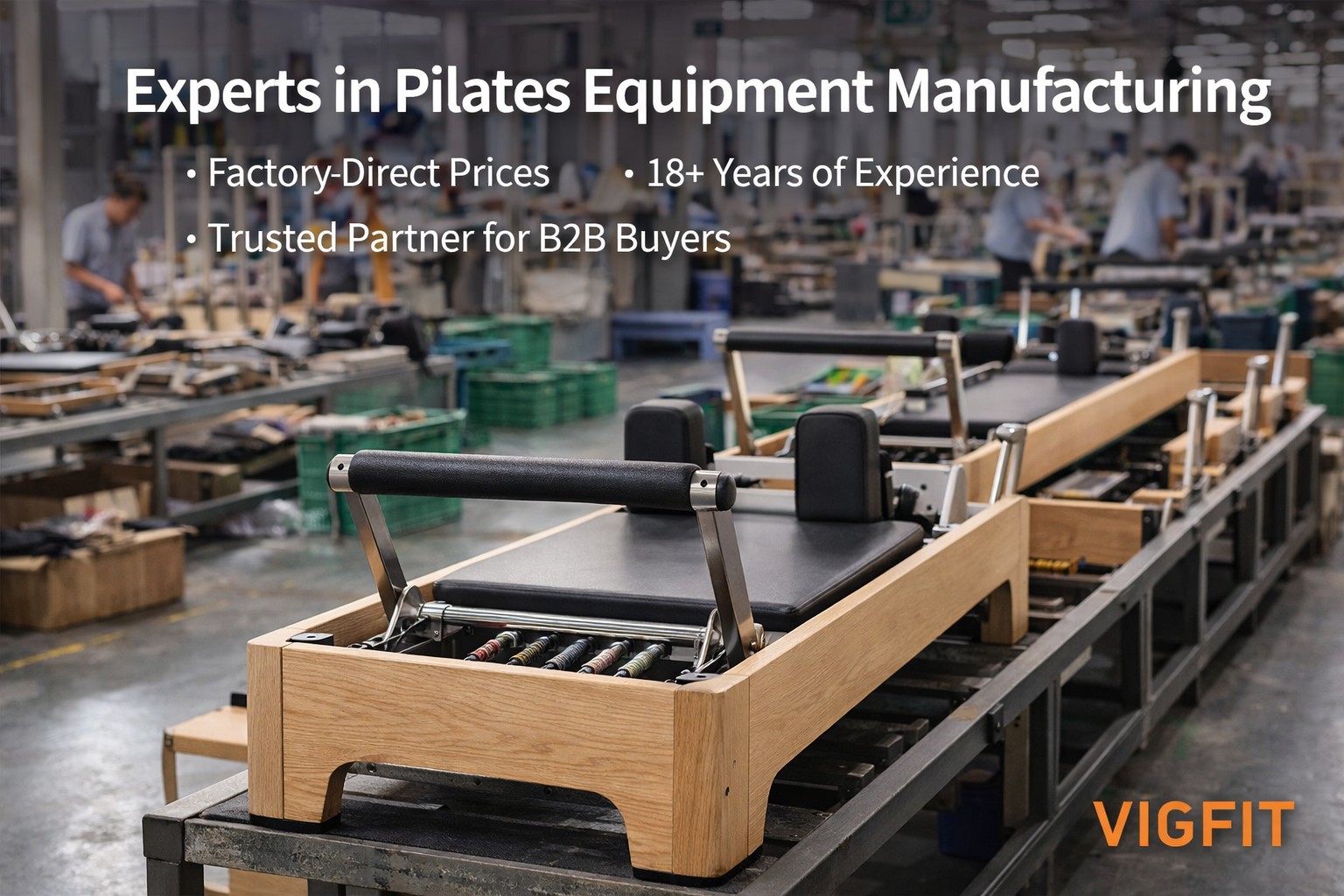
Therefore, choosing a reliable Pilates equipment manufacturer is critical for ensuring consistent product performance and long-term business success.
A professional manufacturer can provide:
Why VIGFIT is Your Trusted Manufacturing Partner
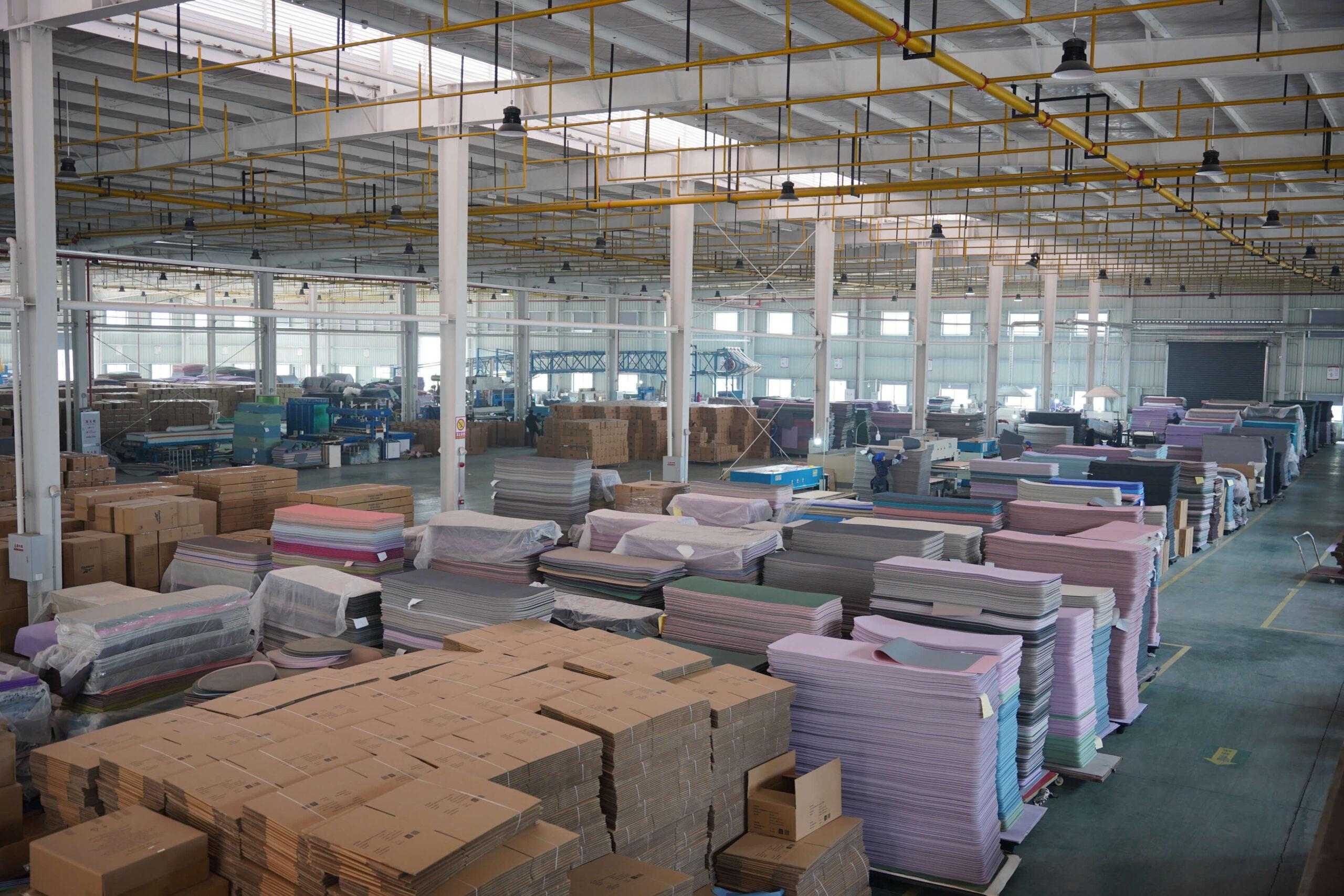
VIGFIT, backed by Nantong Vigor Sport Goods Co., Ltd., is a leading Pilates equipment manufacturer with over 18 years of industry experience. As a vertically integrated supplier, VIGFIT ensures full control over production, quality, and global logistics.
Key advantages include:
By partnering with VIGFIT, businesses can build a stable supply chain while offering high-quality home Pilates equipment to their customers.
Business Opportunities in the Home Pilates Industry
The home Pilates studio market presents strong growth potential driven by:
By offering complete and scalable solutions—including reformers, accessories, and bundled packages—B2B buyers can maximize profitability while improving customer retention.
Conclusion
Building a home Pilates studio is no longer just a consumer trend—it has become a strategic business opportunity in the global fitness market. By combining high-quality Pilates equipment, smart space planning, and reliable manufacturing support, businesses can effectively meet evolving customer needs.
Partnering with an experienced Pilates equipment manufacturer like VIGFIT enables companies to access durable products, flexible cooperation models, and long-term growth opportunities—helping them succeed in an increasingly competitive industry.

VIGFIT – Your trusted partner for Pilates equipment and yoga accessories. With vertical integrated production and professional service, we support global B2B clients to grow their fitness businesses steadily.
 EN
EN