Space Efficiency and Home Integration Advantages
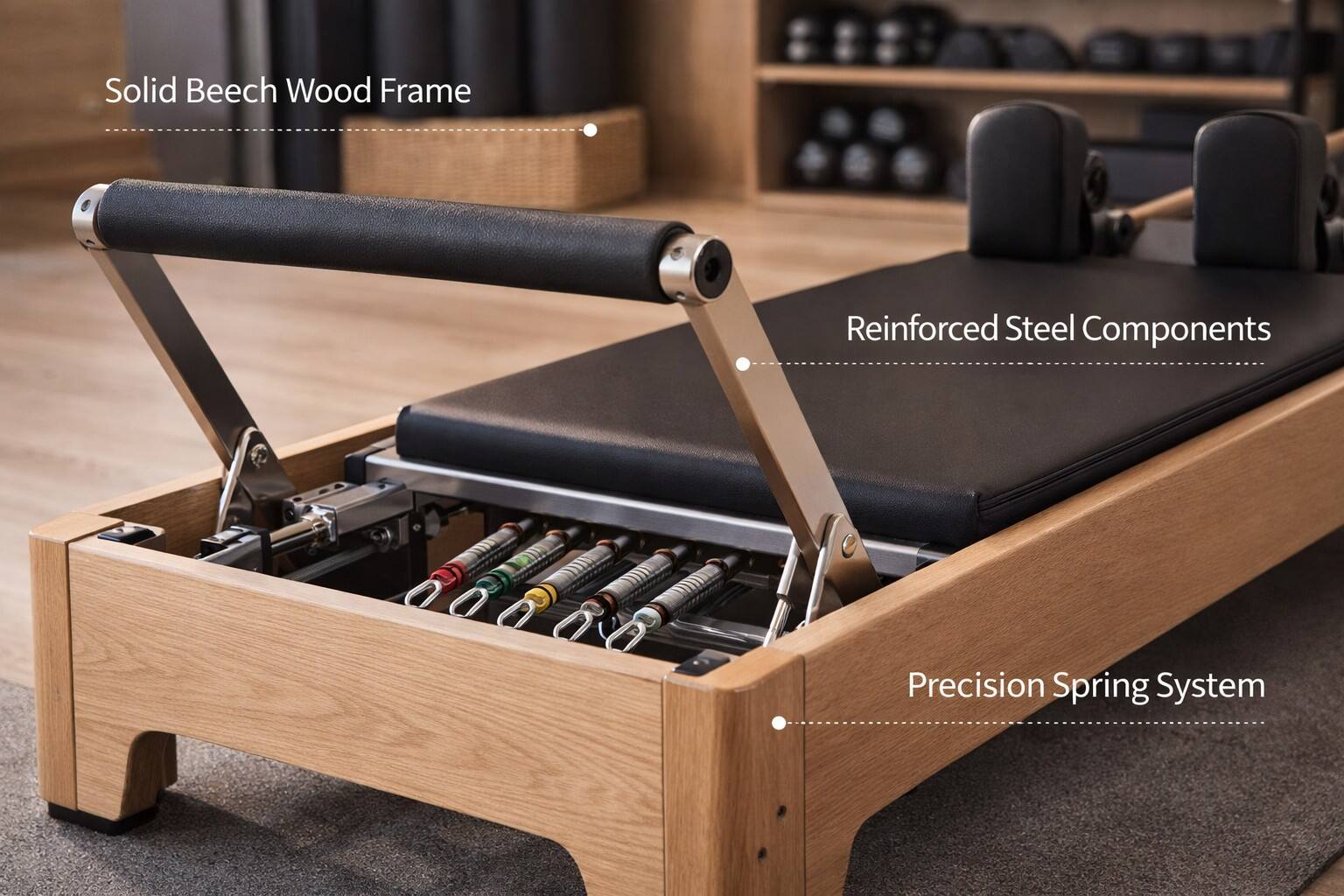
Evaluating the reformer pilates machine cost must include consideration of space requirements and home integration factors that significantly impact practical usability and overall value proposition. Modern reformer designs optimize space efficiency, with most residential models measuring approximately 90 to 100 inches in length and 24 to 30 inches in width, requiring roughly 20 to 25 square feet of floor space during use, which fits comfortably in spare bedrooms, converted garages, finished basements, or dedicated home gym areas. This compact footprint compares extremely favorably against the space requirements for achieving equivalent workout variety through traditional gym equipment, which would necessitate separate stations for leg press, cable machines, weight benches, and cardio equipment totaling 150 to 200 square feet plus clearance areas. Many reformer manufacturers now offer models with folding capabilities or vertical storage designs that reduce the non-use footprint to as little as 3 to 4 square feet of wall space, making the reformer pilates machine cost viable even for apartment dwellers and those with limited living space. The self-contained nature of reformer workouts eliminates the need for additional accessories, weights, or equipment that clutter spaces and require separate storage solutions, with everything needed for comprehensive training integrated into the single machine design. Aesthetic considerations matter for home installations, and contemporary reformers feature attractive designs with wood finishes, upholstered padding, and sleek lines that complement home decor rather than creating the industrial gym appearance associated with bulky weight machines and exercise contraptions. Noise levels represent another crucial home integration factor, and quality reformers operate nearly silently thanks to precision-engineered wheel systems and smooth spring mechanisms, allowing early morning or late evening workouts without disturbing family members or neighbors, unlike treadmills and impact-based exercises that generate significant noise disruption. The reformer pilates machine cost investment supports multi-user households exceptionally well, as quick spring adjustments and rope length modifications allow different users to configure the machine for their specific needs in under 30 seconds, eliminating the time-consuming weight plate changes and position adjustments required with traditional strength equipment. Climate control considerations favor reformers, as these machines function equally well across temperature and humidity ranges without the electronic components and motors susceptible to environmental damage found in treadmills and stationary bikes, reducing maintenance costs and extending operational lifespan. Cleaning and maintenance requirements remain minimal, with most reformers needing only occasional wiping of surfaces and annual spring inspections, contrasting sharply with the complex maintenance protocols and service costs associated with electronic fitness equipment. The stability and safety profile of reformers makes them appropriate for home environments with children and pets, as the spring systems store safely under tension without the falling weight risks present with plate-loaded machines, and the low profile design prevents the climbing and tipping hazards associated with tall equipment pieces.



 EN
EN