Space Efficiency and Revenue Optimization for Commercial Fitness Operations
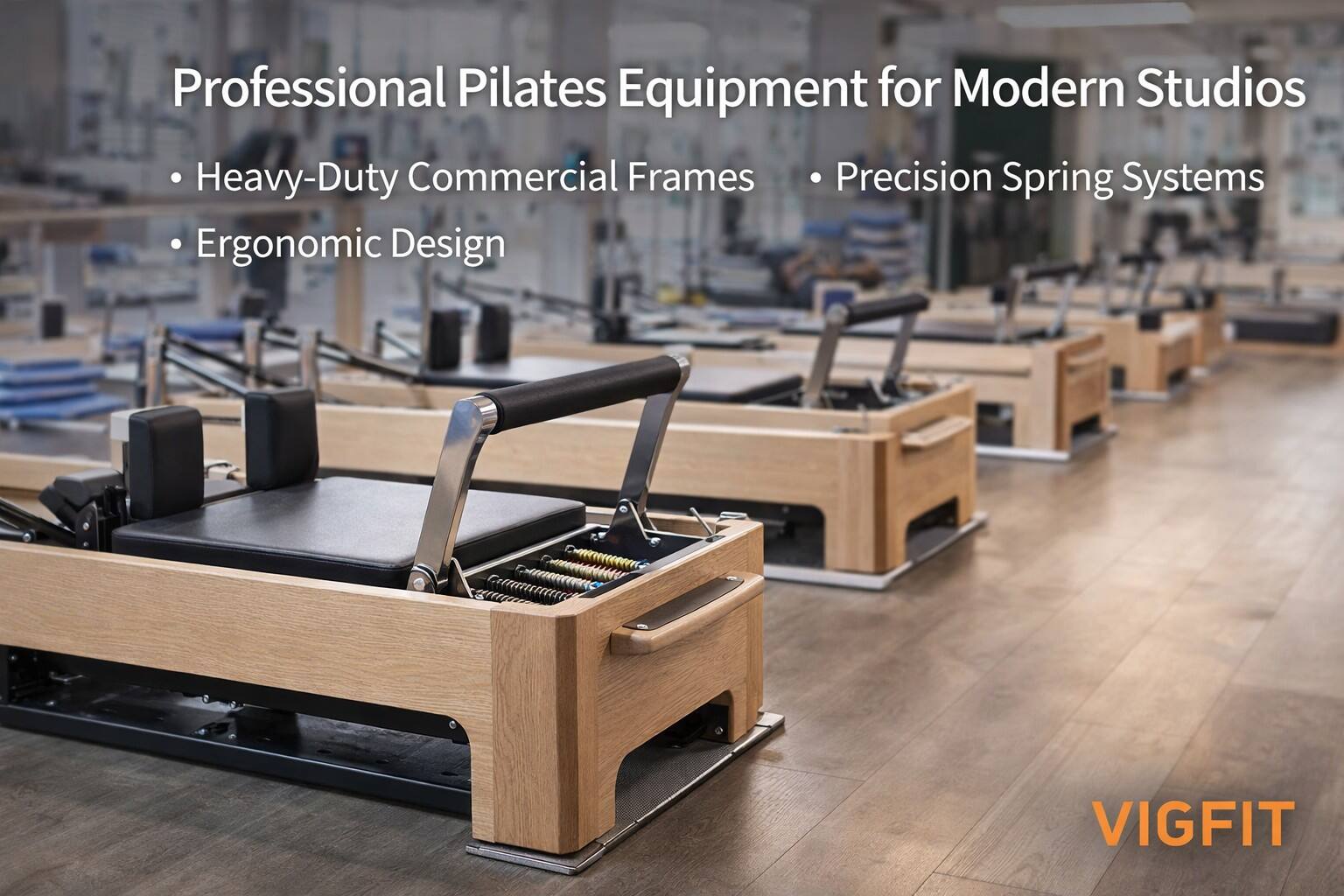
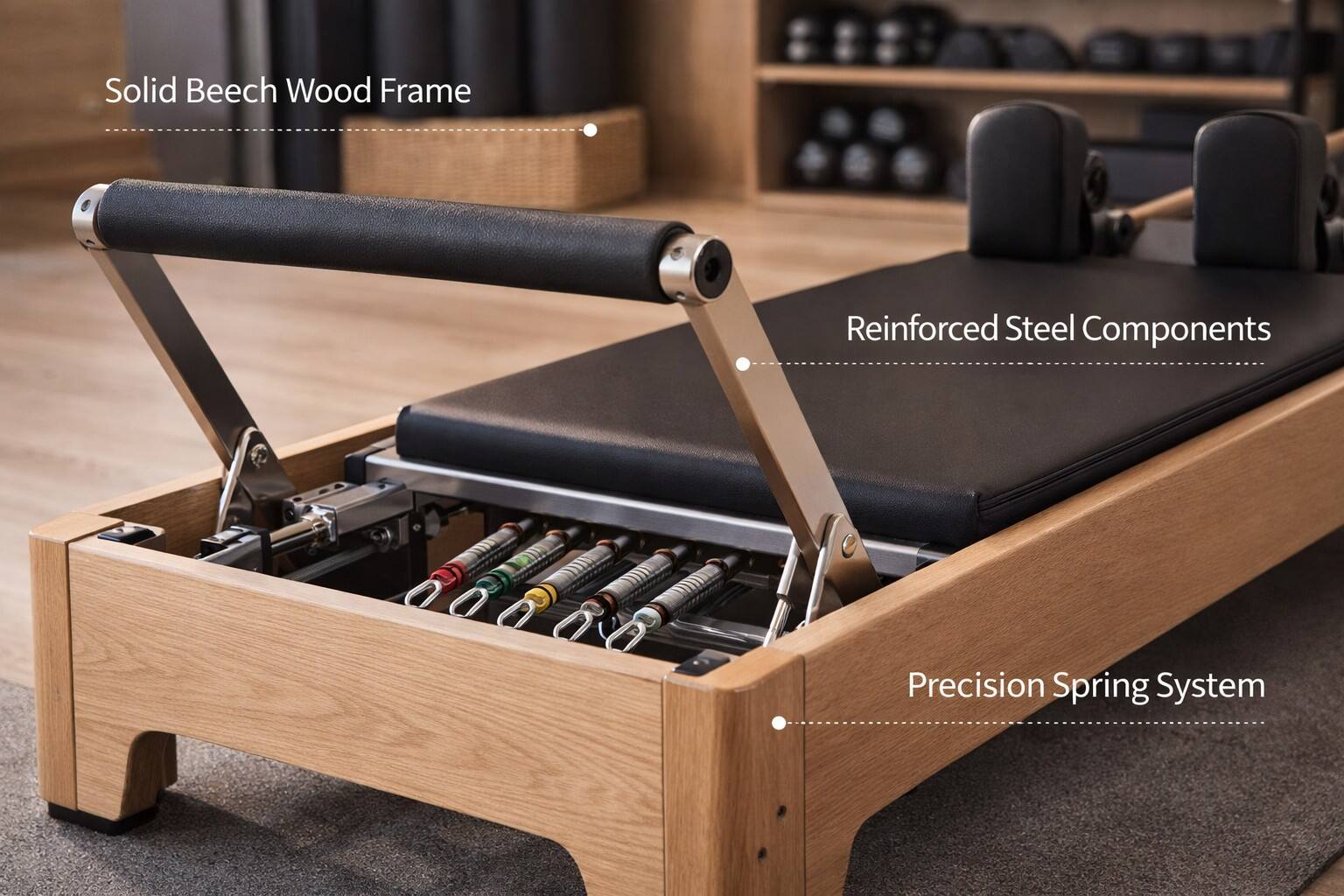
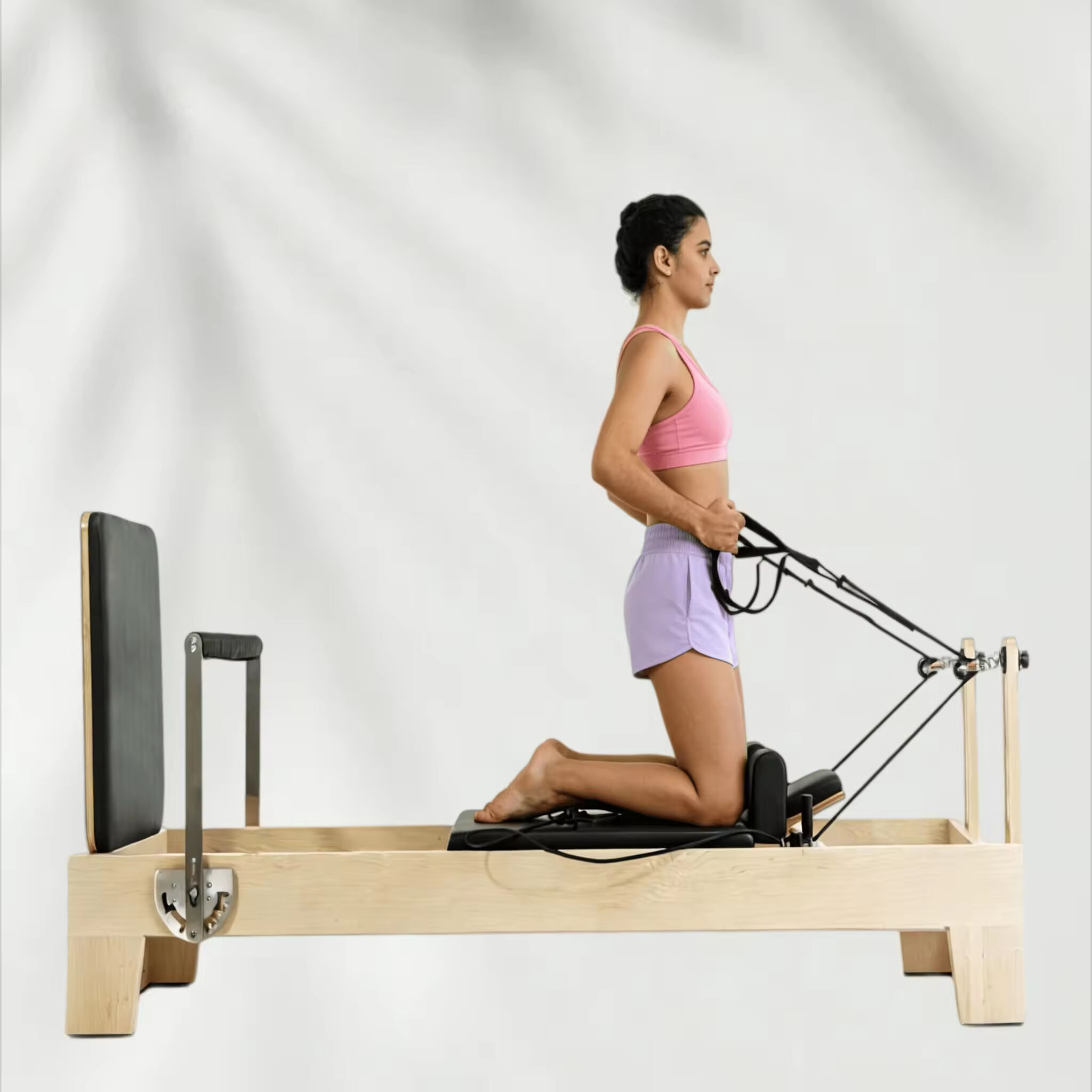
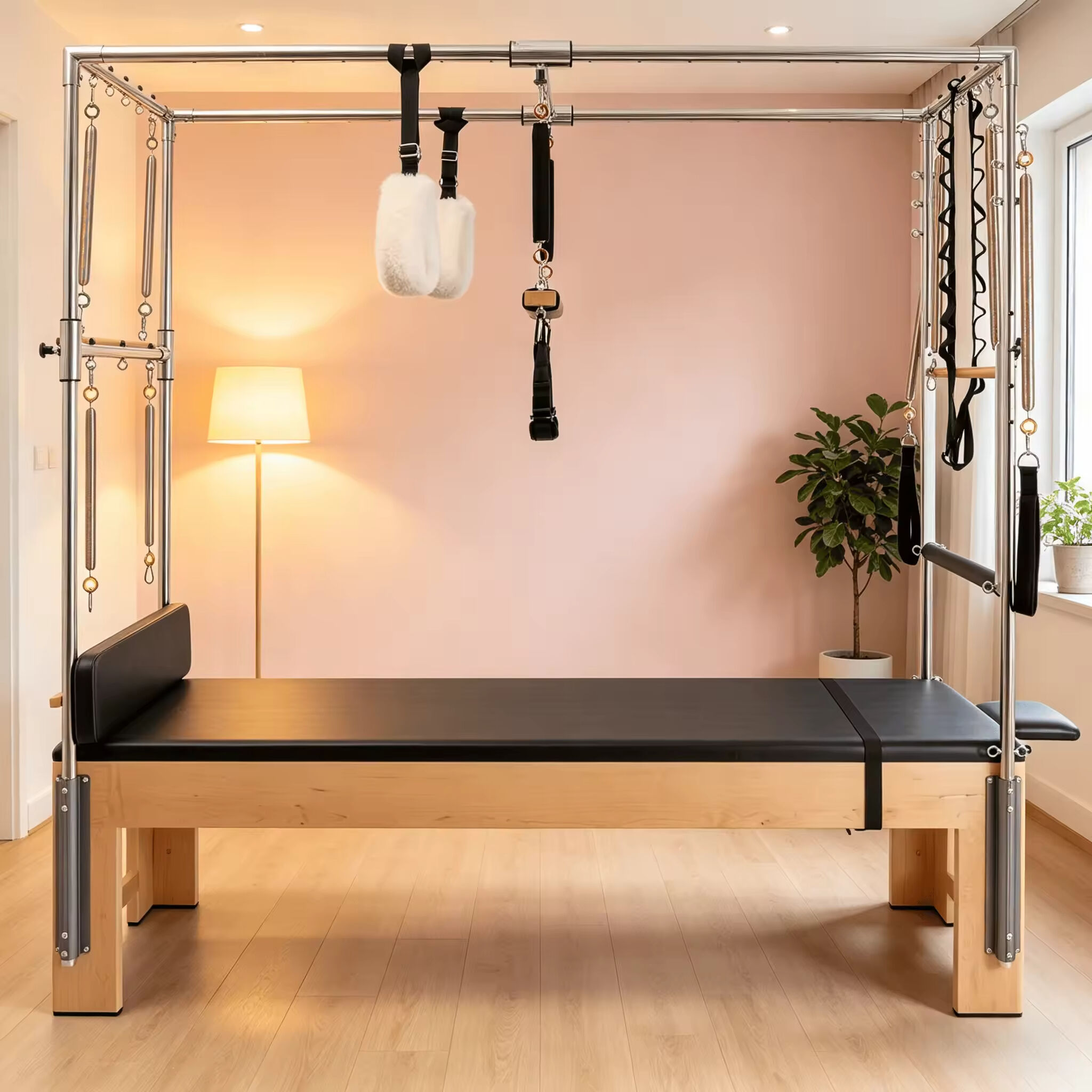
The commercial pilates reformer bed delivers exceptional space efficiency that maximizes revenue generation potential per square foot of facility real estate, a critical consideration for fitness businesses operating in premium urban locations where rental costs significantly impact profitability margins. Each reformer occupies approximately twenty-five to thirty square feet including necessary clearance zones for safe operation, yet provides comprehensive full-body training capabilities that would otherwise require multiple specialized machines consuming far greater floor space. This compact versatility enables studios to install eight to twelve commercial pilates reformer bed units in spaces that might accommodate only four to six pieces of traditional strength equipment, directly multiplying class capacity and revenue opportunities. The parallel arrangement of multiple reformers facilitates efficient group instruction where single instructors guide twelve to sixteen participants simultaneously, creating favorable instructor-to-client ratios that maintain personalized attention quality while optimizing labor costs and session profitability. Class-based business models built around reformer training generate premium pricing that exceeds traditional gym membership rates, with boutique studios regularly charging between twenty-five and forty-five dollars per session, reflecting the specialized equipment investment and expert instruction value. The commercial pilates reformer bed supports rapid session turnover because the equipment requires minimal adjustment between users compared to weight machines needing extensive seat, pad, and resistance reconfiguration, enabling back-to-back class scheduling with brief transition periods that maximize daily session counts. Private training applications command even higher rates, with one-on-one reformer sessions typically priced from seventy-five to one hundred fifty dollars per hour in metropolitan markets, representing significant revenue potential for certified instructors and studio owners. The equipment's appeal across demographic segments supports diverse programming schedules that maintain consistent facility utilization throughout daily operations, with morning classes attracting retirees and stay-at-home parents, lunchtime sessions serving nearby office workers, and evening slots accommodating traditional employees. Weekend programming captures additional market segments including couples seeking shared activities and individuals with weekday scheduling constraints. The commercial pilates reformer bed enables specialized niche programming that commands premium pricing, including athletic conditioning sessions, pre-postnatal classes, rehabilitation-focused training, and senior fitness programs, each attracting dedicated clientele willing to pay elevated rates for targeted expertise. Marketing advantages flow from the distinctive visual appeal and specialized nature of reformer equipment, which photographs impressively for social media content and clearly differentiates facilities from conventional gyms offering standard cardio and weight equipment. This differentiation supports brand positioning as premium wellness destinations rather than commodity fitness providers, insulating businesses from price-based competition and supporting sustainable profit margins. The relatively compact size allows reformer studios to operate successfully in second-floor locations, converted retail spaces, and other non-traditional venues often available at favorable lease rates compared to ground-floor spaces required for heavy equipment installations, reducing overhead costs while maintaining accessibility and visibility.


 EN
EN