Durable Construction with Eco-Conscious Material Innovation
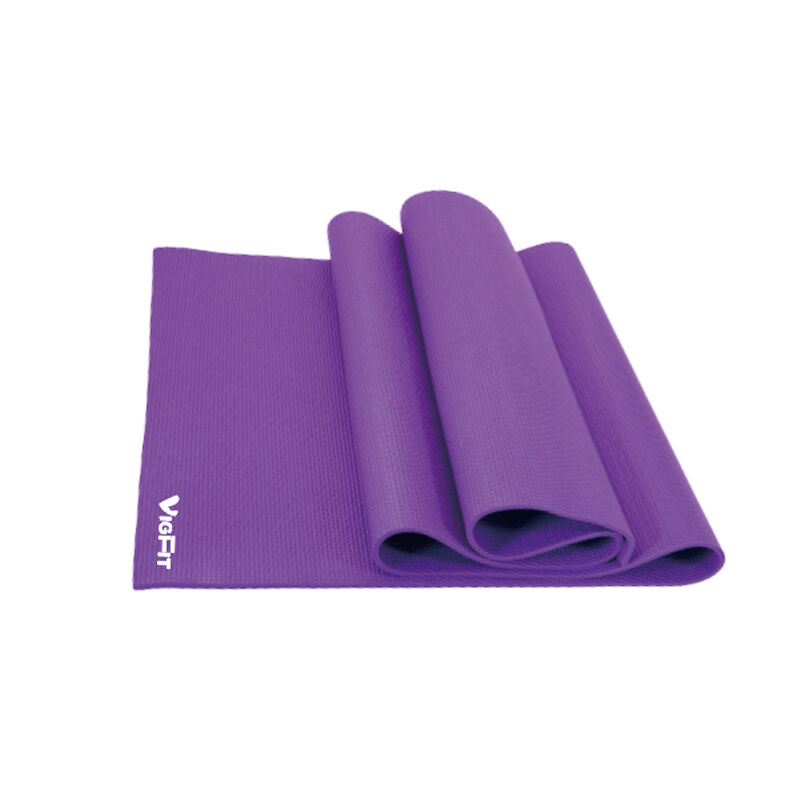
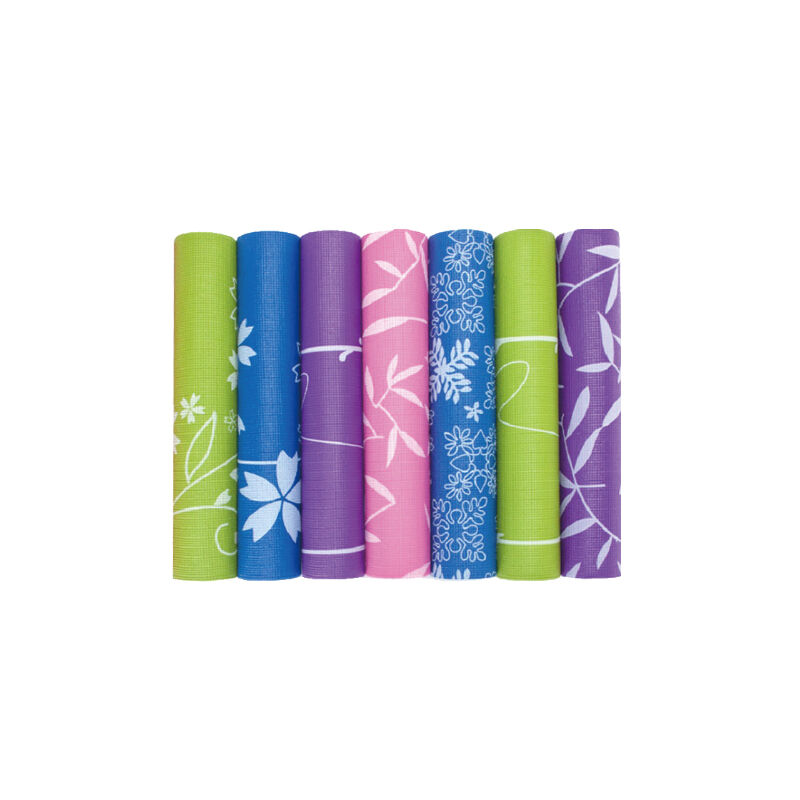
The material composition and construction quality of an anti slip yoga mat determine its environmental impact, longevity, and overall value proposition for conscious consumers. Modern manufacturing innovations have revolutionized mat production, moving beyond petroleum-based PVC materials toward sustainable alternatives that deliver comparable or superior performance characteristics. Natural rubber harvested from renewable tree sources provides excellent grip, cushioning, and durability while offering biodegradability at end-of-life, addressing environmental concerns without sacrificing functional requirements. Cork surfaces have emerged as popular eco-friendly options, naturally antimicrobial and providing unique grip properties that improve with use, though they typically require backing materials for stability and cushioning. Recycled materials increasingly appear in anti slip yoga mat construction, transforming post-consumer waste into functional fitness products that divert materials from landfills while reducing virgin resource consumption. The durability factor extends beyond environmental considerations into practical economics, as quality construction means your mat withstands daily use for years rather than requiring frequent replacement. Closed-cell versus open-cell construction affects both longevity and hygiene, with closed-cell designs preventing moisture and bacteria penetration that can degrade materials and create unpleasant odors over time. Manufacturing processes influence final product quality, with vulcanization techniques for rubber mats creating stronger molecular bonds compared to simple adhesive layering used in cheaper alternatives. An anti slip yoga mat built through superior construction methods resists edge curling, surface peeling, and structural breakdown even after extended exposure to sweat, cleaning products, and mechanical stress from regular rolling and unrolling. The warranty periods offered by manufacturers often reflect construction confidence, with premium brands providing multi-year guarantees backed by their material and assembly quality. Chemical safety considerations matter for health-conscious practitioners, as low-quality mats may off-gas harmful substances or contain toxic additives that create respiratory irritation or skin reactions. Certifications from independent testing organizations verify that an anti slip yoga mat meets safety standards for restricted substances, providing peace of mind regarding daily exposure during intimate contact throughout practice sessions. The production ethics behind material sourcing and manufacturing increasingly influence purchasing decisions as consumers align spending with values, seeking products created through fair labor practices and environmentally responsible operations that minimize ecological footprints while delivering functional excellence.


 EN
EN